Showcase
Squishmallows: Offering a Comforting Tactile Experience for Global Fans, One Plush at a Time
About Squishmallows
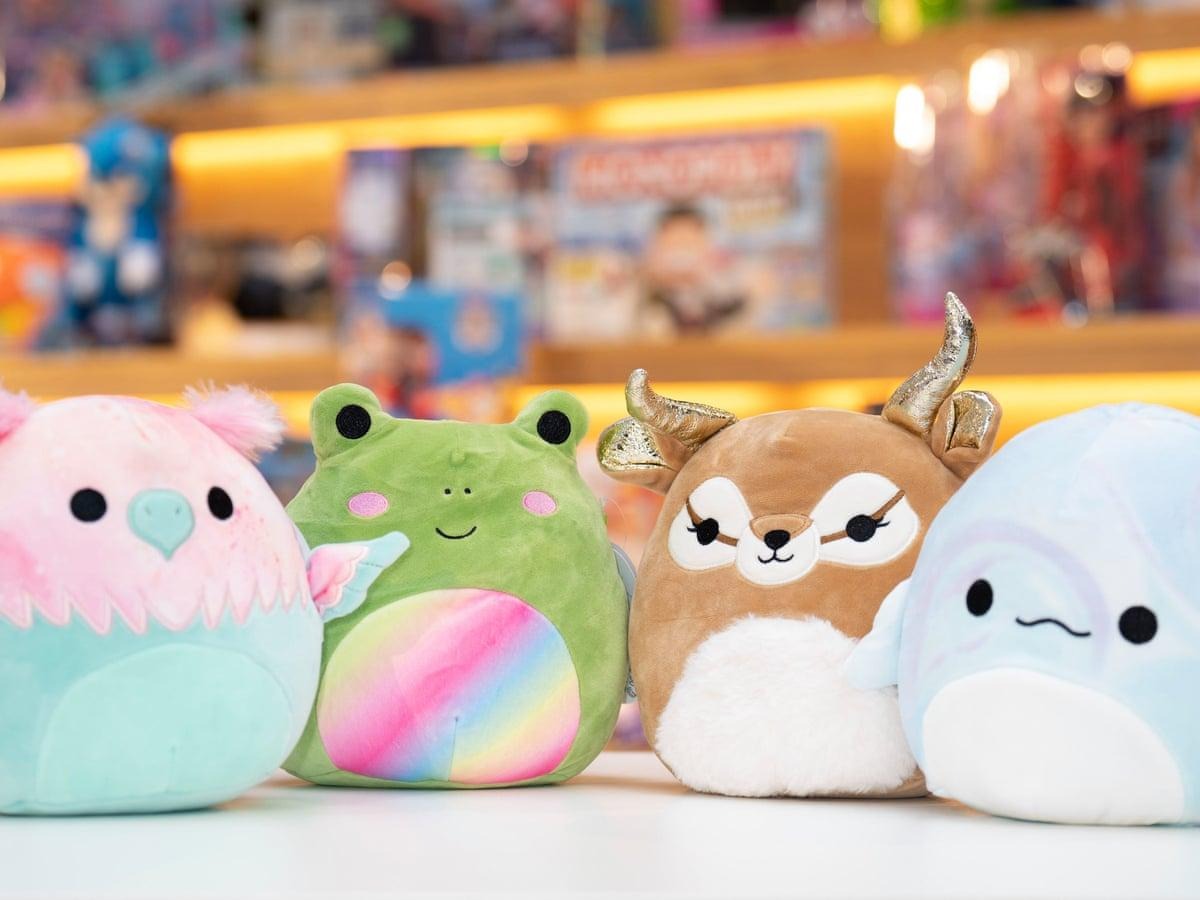
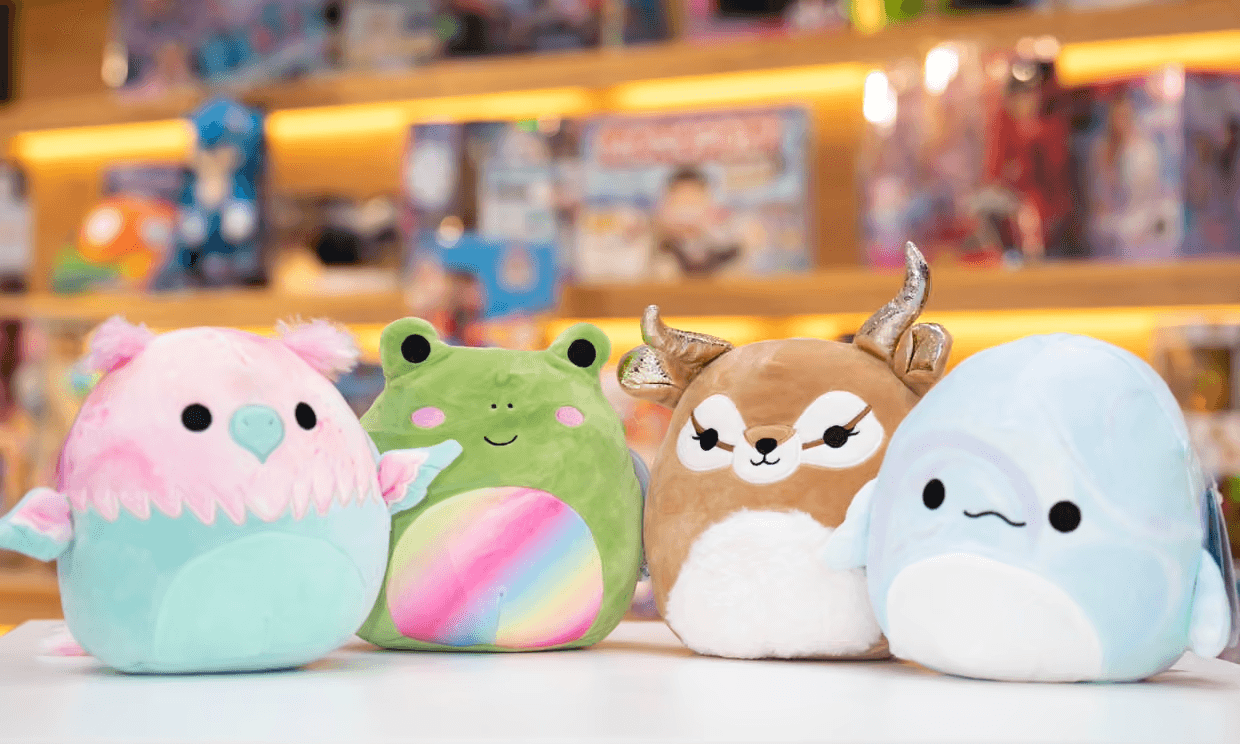
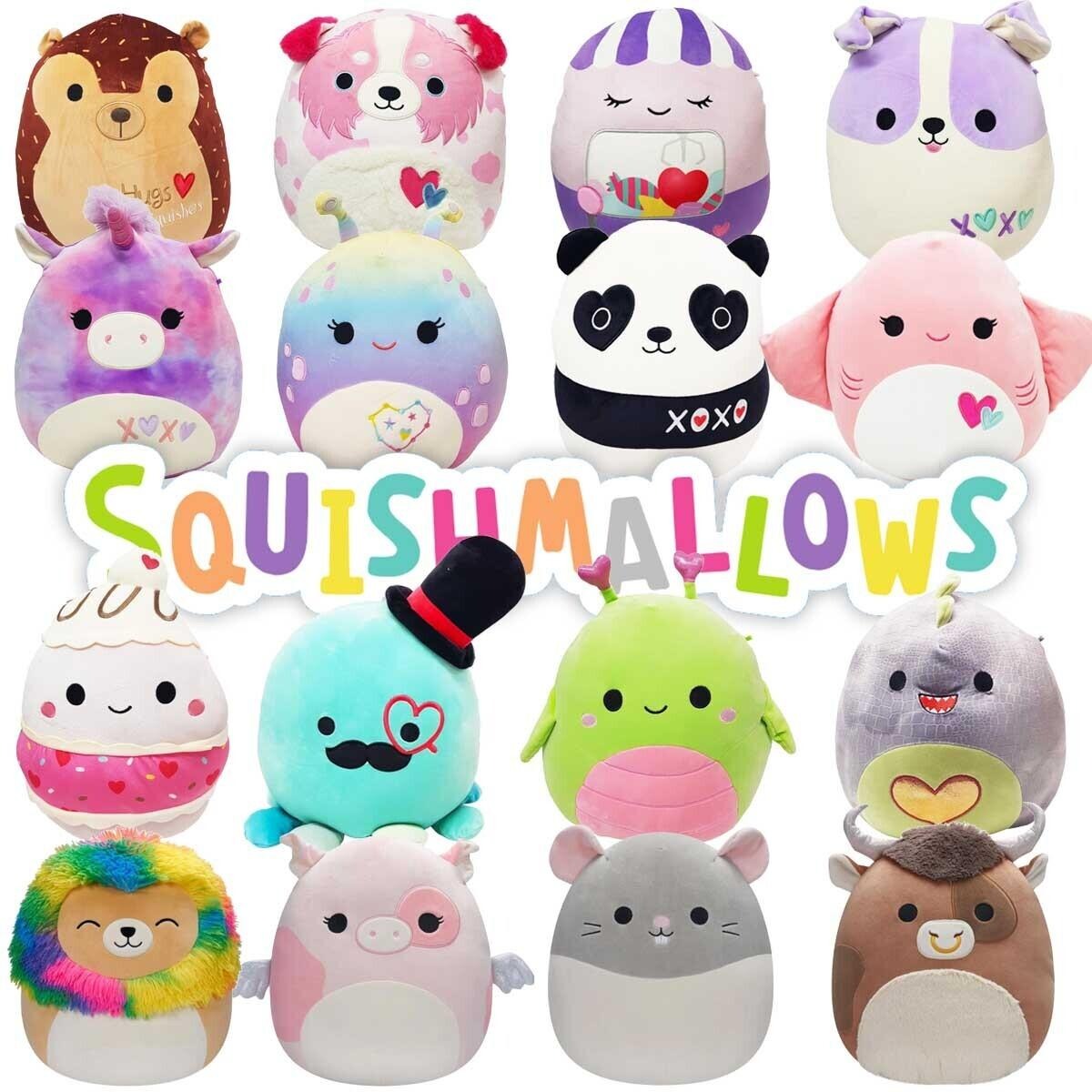
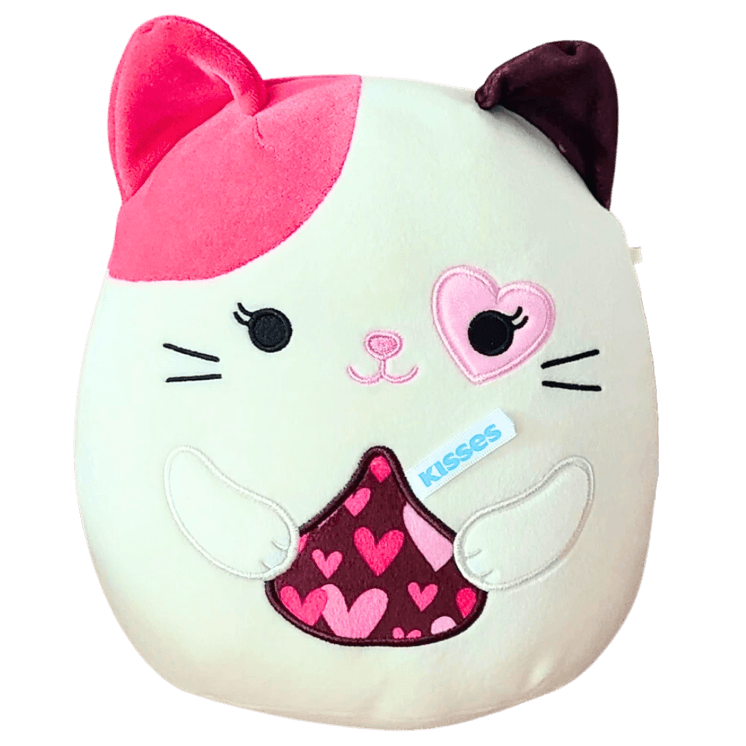
Squishmallows are soft, rounded, huggable pillow-style plush with minimal features and clean lines. Since their debut in 2017, they have captured the hearts of millions of fans and collectors. Stuffed with super-soft material, Squishmallows come in a diverse array of characters and sizes, and their collectible nature has built a vibrant community of loyal fans who share their collections on social media. More than adorable toys, Squishmallows function as comfort items for people of all ages, distributed through major retail chains and online marketplaces.
Background
Our client is Jazwares, the North American toy brand behind Squishmallows, which experienced massive growth during the COVID pandemic and needed to scale production significantly without losing what makes the line work: the signature "squish-and-return" feel, held impeccably consistent across huge production volumes.
Before finding us, Jazwares had assessed several other plush makers and found noticeable differences between samples — some felt too firm, others too floppy, some recovered too slowly after being squished. They reached out to Kedonia to deliver that hand-feel consistently, from samples through mass production.
The Task: Delivering Simplicity, Which Is Not Simple
The brief was clear: plush that's identically soft yet springy, perfectly oval, with clean seams and no creases after vacuum compression. Behind that simple brief sat real difficulty:
Key challenges included:
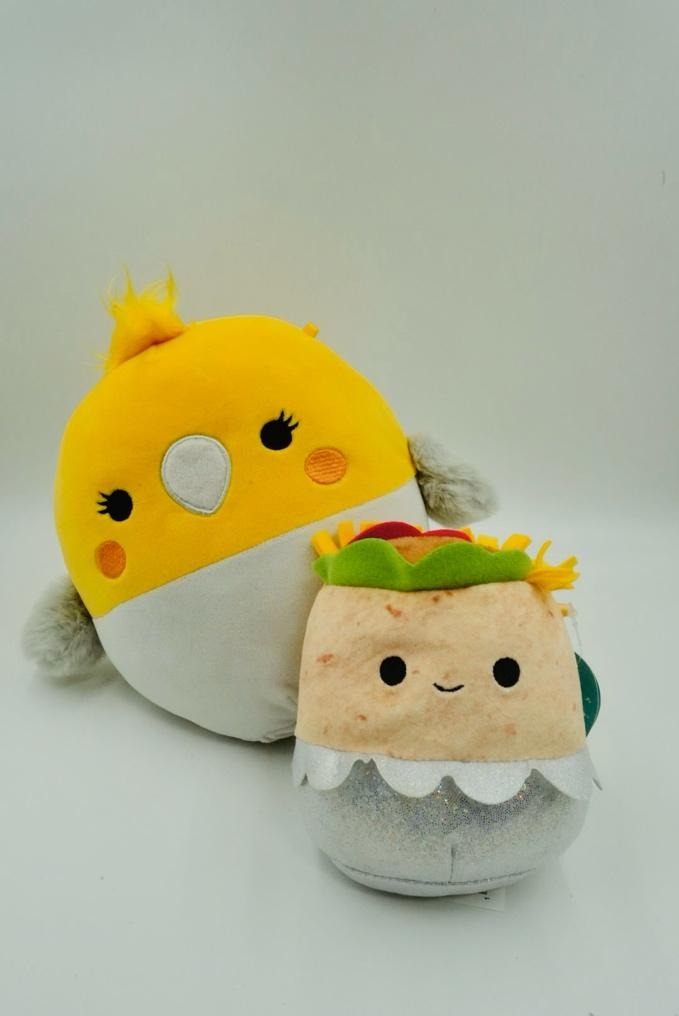
A deceptively "simple" design amplifies tiny hand-feel imperfections — with few visual features to look at, hand-feel becomes the entire selling point.
Hand-feel is subjective and notoriously hard to quantify and control at volume.
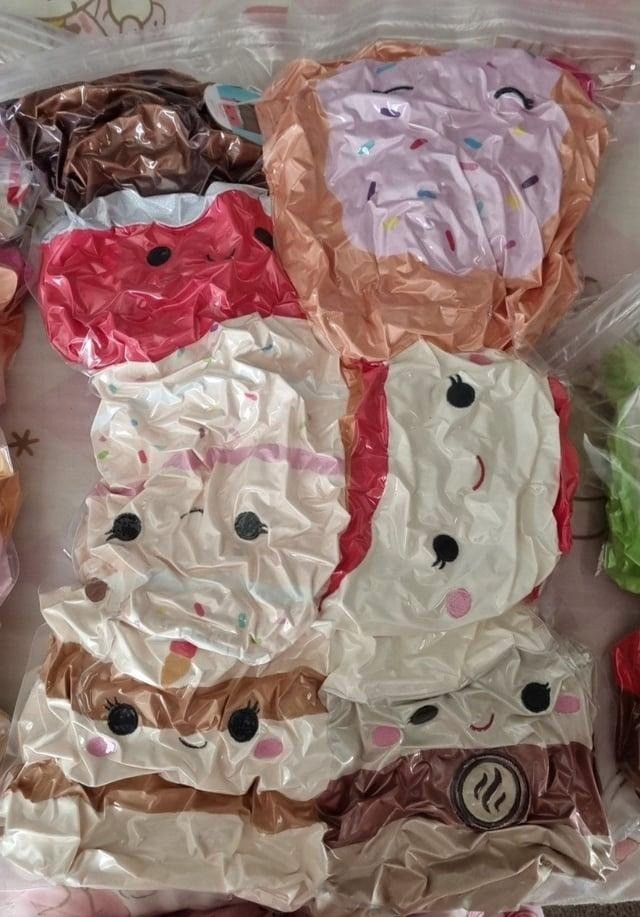
Squishmallows ship globally, which means high-compression packaging and long transit times, and every unit has to recover to its original size and shape quickly after unpacking.
Zero tolerance for batch variation — consumers can spot a 5-10% difference in color, sewing, or firmness the moment they place two units side by side.
The Actions: Making the Uncontrollable Controllable
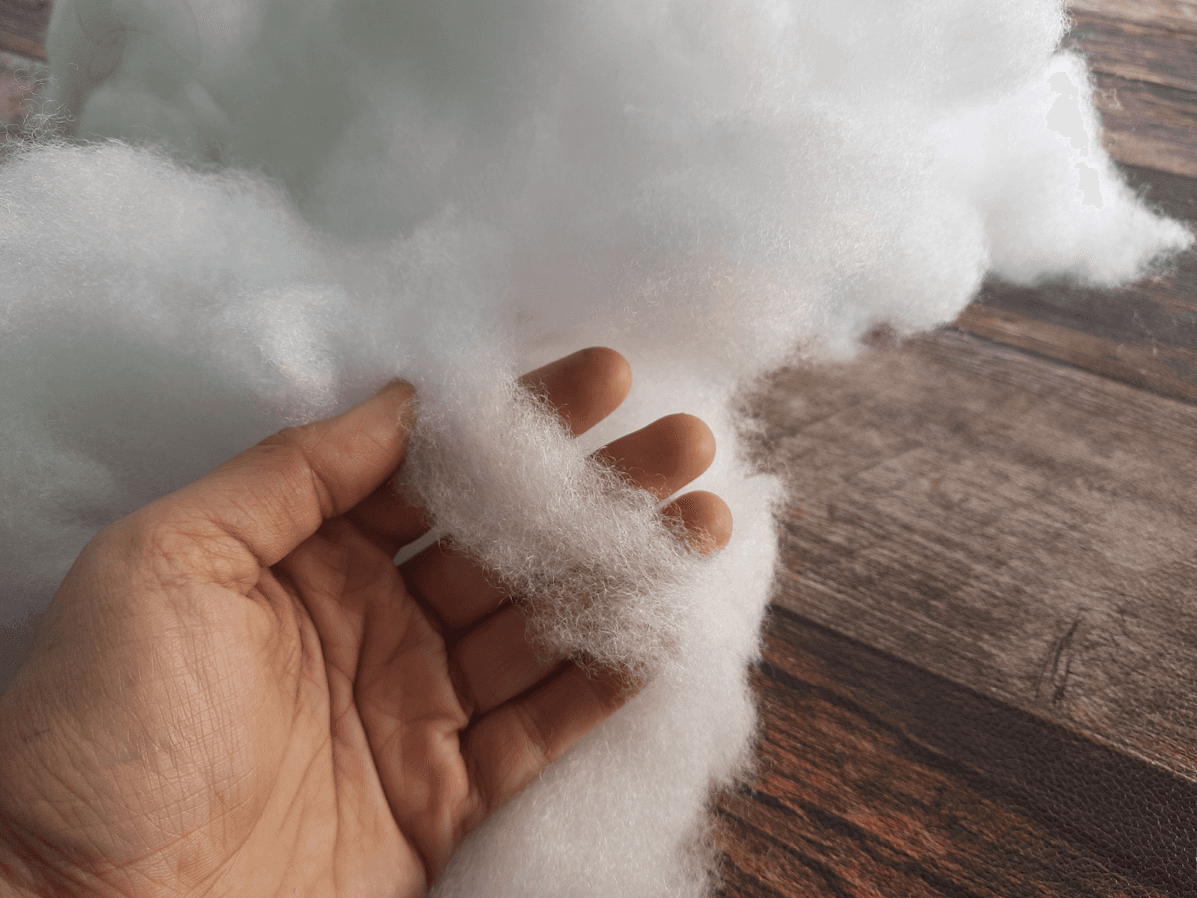
1. Building a "Feel Formula" by reverse-engineering the design. Rather than sampling immediately, we broke "soft and springy" down into quantifiable variables: fabric (pile length, pile density, base fabric stability and tear resistance, dye fastness, pilling risk), filling fiber (3D cotton for small plush, down cotton for large plush — assessed on length, rebound rate, fluffiness, and clumping risk), and structure (panel count, seam positions, and reinforcement placement). Skipping this step is how a plush ends up looking like one thing and feeling like another.
2. Fabric selection. The goal was never simply "the softer, the better" — we needed fabric that held up across mass-production batches, not just in a single sample. We tested 2-3 candidate fabrics simultaneously under rubbing, stretching, and ironing, checked base fabric stability (loose fabric distorts the arc and creates wavy edges after sewing), and assessed sheen consistency across batches on short-pile fabrics to avoid one batch looking brighter than another.
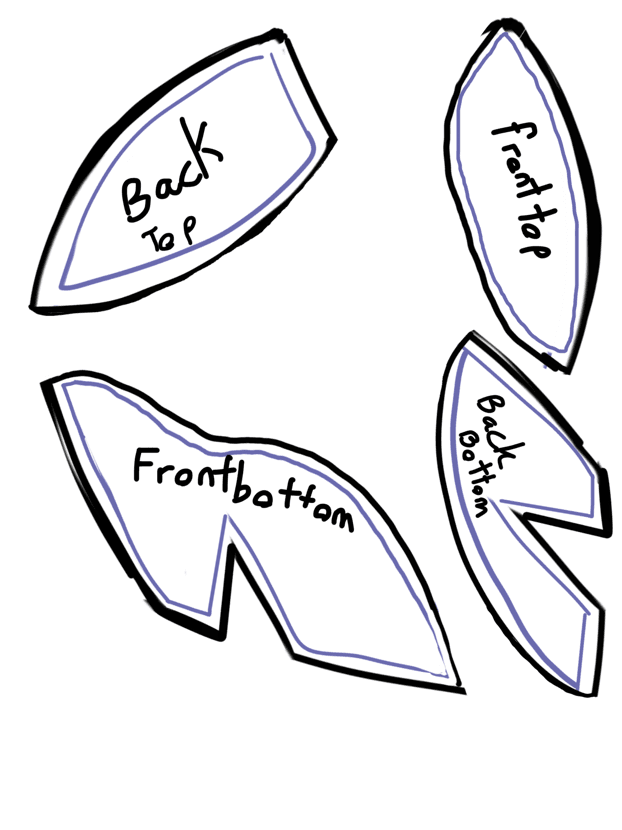
Pattern and arc. Roundness comes from pattern, seaming, and filling method working together — not from adding more stuffing, which just causes stiffness and bulging. We used arc-shaped panels to distribute stress rather than concentrate it on one seam, and positioned seam openings in low-visibility areas that recover more easily after compression.
Embroidery. Density had to sit in a narrow band — too high and the plush turns stiff, too low and it looks cheap — and tension had to be controlled precisely, since overly tight stitching strains the fabric into permanent wrinkles. We locked in a reusable embroidery standard per fabric and batch.
Filling. This was the core of the problem: a 5% increase in filling makes a unit feel hard, a 5% decrease makes it collapse. We set narrow weight ranges per product size, filled the core before the edges to prevent center collapse, checked symmetry and flatness on every unit, and adjusted workshop conditions to prevent filling clumping in dry seasons.
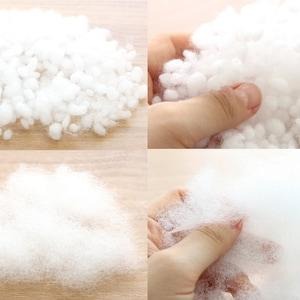
Sewing and closing. The goal was a plush that looks like it was made from one piece, with no visible "scar" seam. We positioned seams in visually unfocused areas and calibrated reinforcement carefully — too much reinforcement creates stiffness right where you don't want it.
Packaging and transportation. We treated post-compression recovery as a quality control standard in its own right, not an afterthought. Every sample went through vacuum compression and extended storage, then was evaluated for crease visibility, rebound speed and completeness, and any whitening, pilling, or sheen loss — before we locked in the final compression ratio, bag material, and carton configuration.
Result
After multiple rounds of sampling and compression/recovery testing, Jazwares recognized not just our production quality but the degree of hand-feel uniformity and fast post-compression recovery we delivered — a marked improvement in sample-to-sample consistency over previous suppliers. Units returned to display-ready condition quickly even after aggressive compression, a real advantage for retail replenishment cycles.
Based on that performance, Jazwares moved to full production and adopted our documented parameters — fabric specs, filling method, packaging method — as the permanent standard for the line, removing the need for re-sampling or hand-feel recalibration on repeat orders.
"We'd been burned before by suppliers who nailed the first sample and then drifted by the fifth production run. Kedonia's team treated 'consistency' as an engineering problem, not a hope, and it showed up in every reorder — the compression recovery testing in particular gave us confidence we hadn't had with prior vendors." — Emily, Product Department Representative, Jazwares