Showcase
Ploey & Ploveria: Bringing an Original Movie Duo to Life in Plush, Starting at 1,000 Units
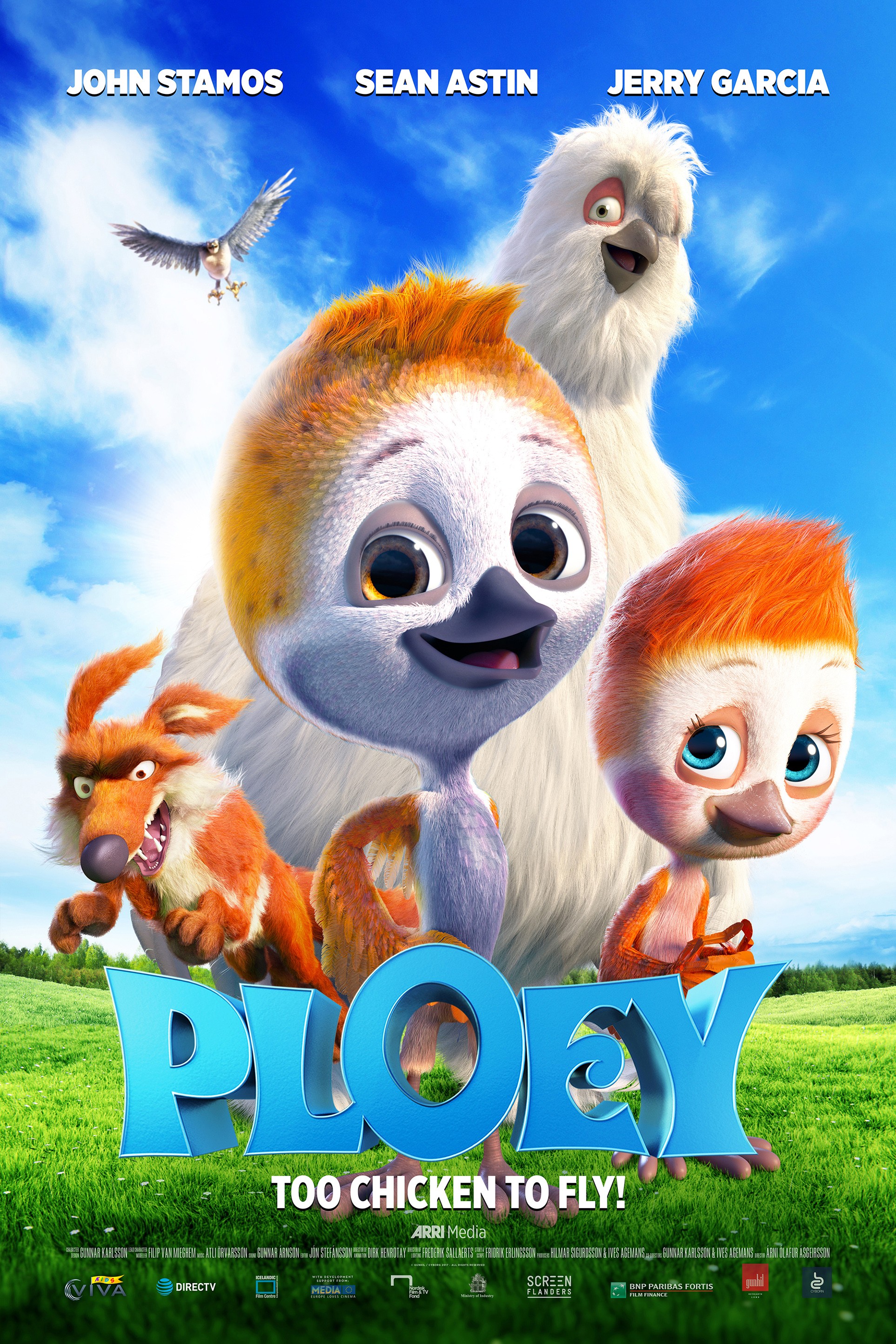
About Ploey & Ploveria
Ploey and Ploveria are two bird characters from Ploey: You Never Fly Alone, the Icelandic-Belgian 3D animated film about a young golden plover who hasn't learned to fly before migration and is left behind in the frozen North, guided through the winter by his loyal friend Ploveria. When GunHil ehf, the film's producer, came to us to turn the pair into plush toys, there was no back catalog to lean on — no prior merchandise, no established plush proportions, nothing to reverse-engineer. Just a movie, a small production run of 1,000 units, and a director who knew exactly what "wrong" would feel like even before he could articulate what "right" looked like.
This case study is less about scale and more about precision under pressure — and it's a useful one if you're weighing whether a factory will take your order seriously at 1,000 units instead of 100,000.
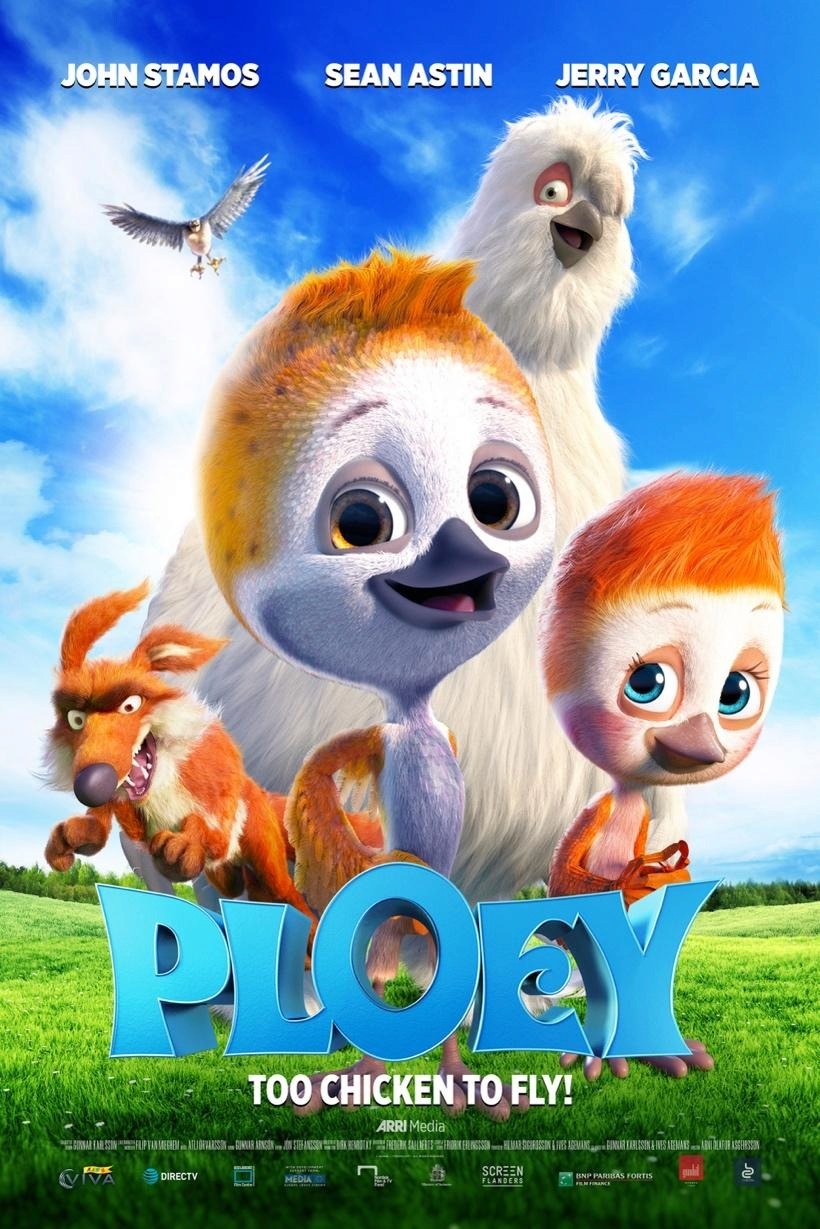
Why This One Was Hard in a Different Way
Most of our case studies involve mature franchises with years of merchandise to reference. This project had none of that. Every proportion, expression, and gesture had to be invented in plush form for the first time, based only on animation stills, trailers, and notes from the production team.
That absence of reference material raised the difficulty in a specific way: with no prior products to benchmark against, "good enough" had no ceiling. The film's director and production team were personally attached to these characters, and their bar wasn't technical — it was emotional. Their concern, repeated throughout the project, was simple: does this feel alive?
"We realise that you have a challenging assignment but believe that these three changes would improve the likability of the puppets. And we share the excitement and look forward to going out with the samples to our buyer here." — Merchandizing Manager, GunHil ehf (producer of Ploey: You Never Fly Alone)
Where the Character Actually Lives: The Eyes
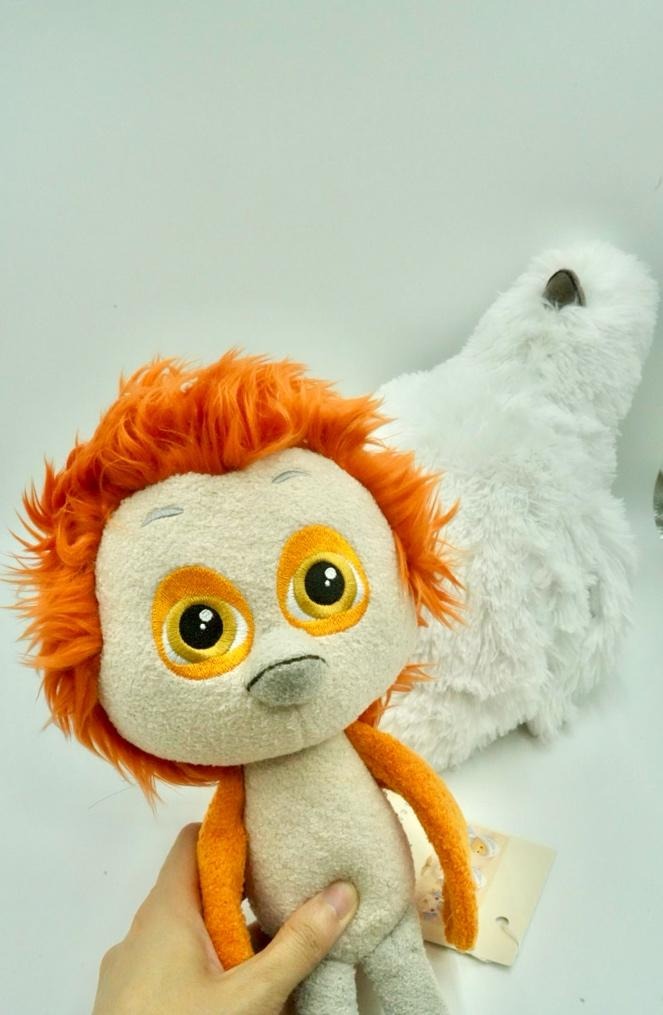
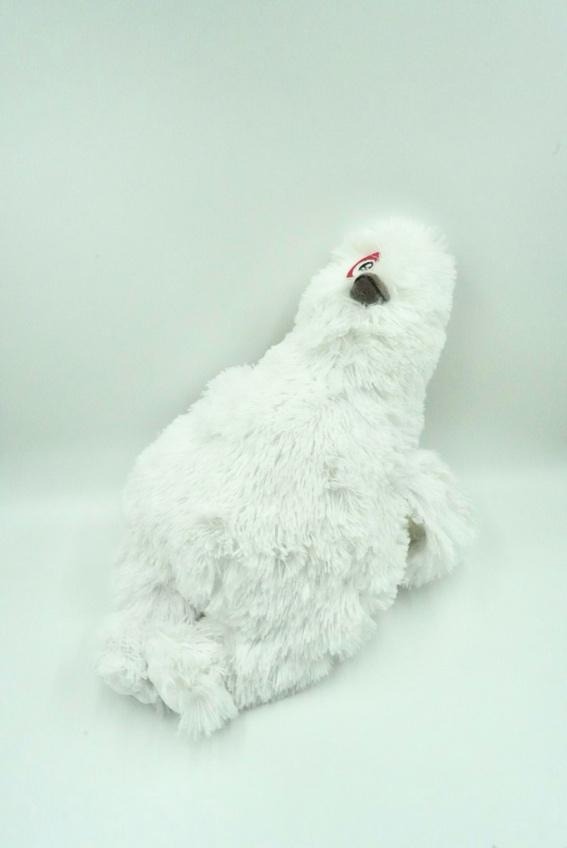
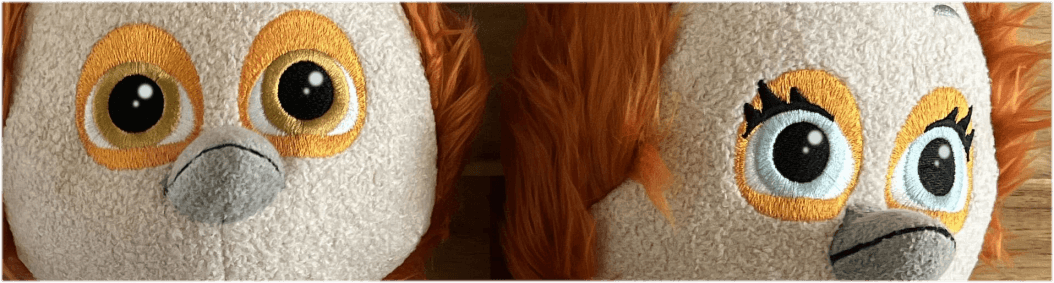
A few rounds into sampling, we had the overall forms right, but something was off — the faces read as flat. Tracing the problem back, we found it was the eye-white proportion: too restrained, and the gaze lost its spark. We built a set of side-by-side variants on the same body — different eye-white ratios, different embroidery treatments — until one version made the character feel present rather than just accurate.
The client caught this too, in real time:
"Another thing on the prototypes: we have tried a very simple white reflection in their eyes which brings more life to them. We would like that to be added. You can see the difference on the enclosed doc, and here is the idea." — Customer feedback, mid-sampling
That single reflection detail did more for perceived "aliveness" than any adjustment to body proportions.
Getting the Material Right Without a Reference Point
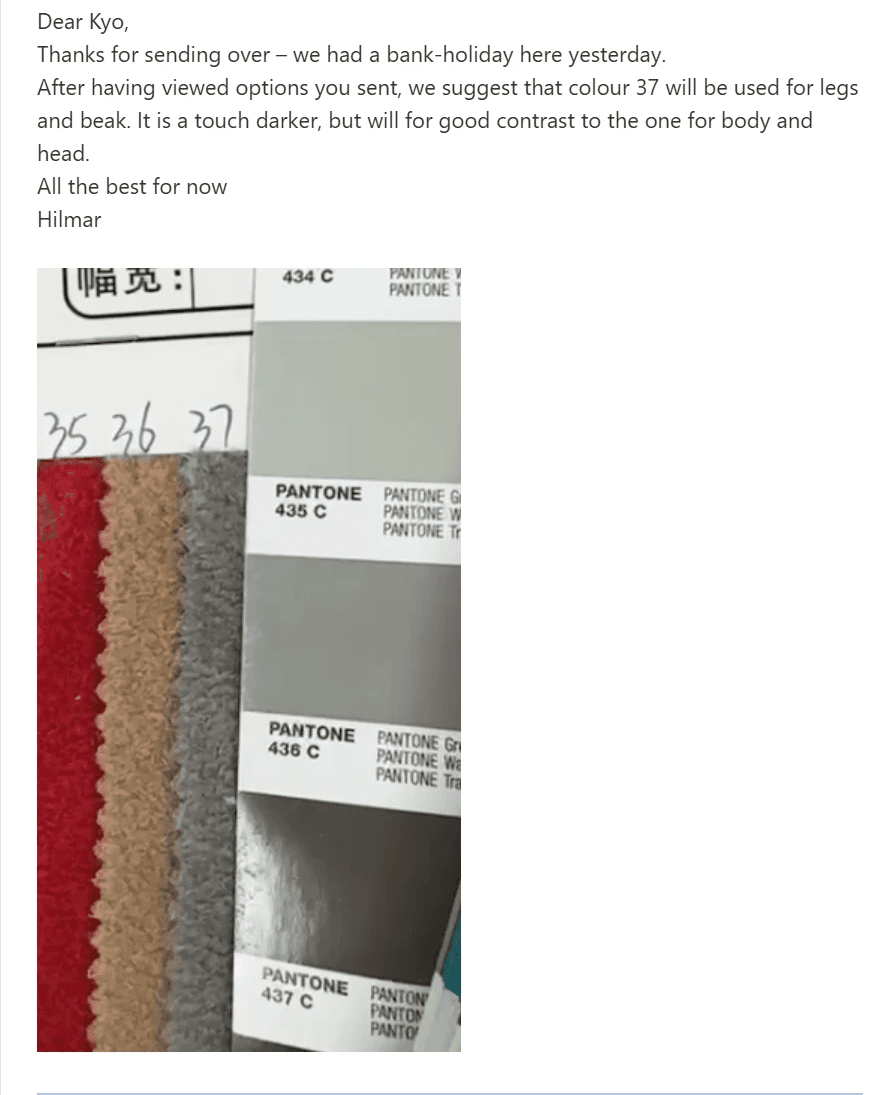
With no existing product line to match against, fabric selection couldn't be a shortcut based on cost or generic softness — it had to be chosen for how it read under different lighting, since that's how audiences would ultimately judge it against the animated original. We tested pile length and texture specifically to avoid two failure modes: fibers too long looked rough, fibers too short felt lifeless.
Getting the Material Right Without a Reference Point
With no existing product line to match against, fabric selection couldn't be a shortcut based on cost or generic softness — it had to be chosen for how it read under different lighting, since that's how audiences would ultimately judge it against the animated original. We tested pile length and texture specifically to avoid two failure modes: fibers too long looked rough, fibers too short felt lifeless.
Fixing a Problem Animation Doesn't Have: Gravity
Animated characters don't need to balance. Plush ones do. Early samples of Ploey and Ploveria looked top-heavy — a posture that reads fine on screen but looks wrong sitting on a shelf. We corrected this by adjusting seaming and redistributing filling to lower the center of gravity, so the finished plush could stand and sit naturally without external support.
The Numbers
1,000 units produced for the initial run — a small-batch order by design, not a pilot that later scaled
Multiple co-creation rounds with the client on facial detail alone, driven by direct written feedback rather than internal guesswork
Two original characters, developed simultaneously with zero prior merchandise to reference
Positive market reception following launch, with consumers specifically noting how well the toys captured the on-screen personalities
What This Means If You're Ordering Small
We get asked often whether a 1,000-unit order gets the same attention as a six-figure one. This project is our answer: no shortcuts on sampling rounds, no reduced scrutiny on fabric or color, and no less back-and-forth with the client than we'd give a major franchise. The character-first process described above — reference-free design, detail-level iteration, physics-corrected posture — was applied at 1,000 units because that's what the project needed, not because the order size dictated a lighter process.
If you have an original character and a modest first run, that's a normal starting point for us, not a constraint we work around.
Ready to bring your original characters to life, at whatever volume you're starting with? Message us to talk through your project.
