Blog
Protect Your Intellectual Property and Designs: A Comprehensive Guide for Creators and Businesses
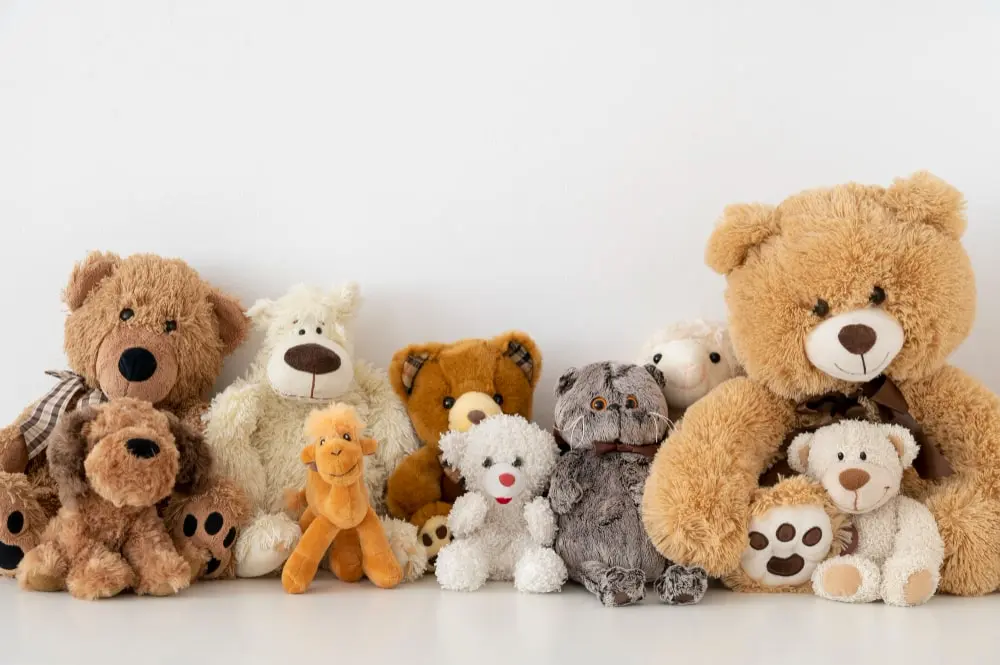
How to Protect Your Intellectual Property When Working With a Plush Manufacturer
Sharing your design with a manufacturer for the first time feels risky. You have spent weeks developing a character, a concept, or a brand mascot and now you need to hand it over to someone you have never worked with before.
This concern is completely valid. Design theft does happen in manufacturing, and most creators only find out after the damage is done.
The good news is that protecting your intellectual property before production starts is straightforward once you know what steps to take. This guide walks you through exactly what to do.
Why IP Protection Matters Before You Share Anything
Most creators think about protection after something goes wrong. The right time to act is before you send a single file.
Once your design is out, you have very little control over what happens to it. A manufacturer could share it with competitors, use it as inspiration for other clients, or in the worst case, produce and sell copies without your knowledge.
Registering your rights and putting legal agreements in place before production gives you enforceable protection if something does go wrong.
Step 1: Register Your Design Before Approaching Manufacturers
Registration creates an official, dated record that you own the design. Without it, proving ownership in a dispute becomes your word against theirs.
Depending on your market, you have several options.
In the United States, you can file a design patent with the USPTO. This protects the ornamental appearance of your character or product. Copyright protection also applies automatically to original creative works, but registering with the US Copyright Office strengthens your legal position significantly.
In the UK and Europe, registered design protection is available through the UKIPO and EUIPO respectively. These offices allow you to protect the visual appearance of your plush character, including shape, texture, and distinctive features.
The key rule is simple: register before you disclose. Once you share publicly without protection in place, you may lose the right to register in some jurisdictions.
Step 2: Use an NDA With Every Manufacturer
A non-disclosure agreement is the most practical first line of defence when working with any manufacturer.
An NDA is a legal contract that prevents the manufacturer from sharing, copying, or using your design outside of the agreed production scope. Any reputable manufacturer should sign one without hesitation. If they refuse, that tells you something important.
Your NDA should cover:
The specific designs and concepts being shared
What the manufacturer is and is not allowed to do with the files
How long the confidentiality obligation lasts
What happens if they breach the agreement
You do not need an expensive lawyer to draft a basic NDA. Templates are available from legal platforms like Docracy, LegalZoom, and the WIPO website. For a large production run or a high-value character IP, it is worth having a lawyer review it.
Step 3: Add an IP Assignment Clause to Your Production Contract
An NDA protects your design during the discussion phase. Your production contract protects you during and after manufacturing.
Make sure your contract includes a clause that explicitly states all IP created during the project belongs to you. This matters if the manufacturer makes any modifications or improvements to your design during prototyping.
Without this clause, there is a legal grey area around who owns adaptations made during production. Get it in writing before sampling begins.
Step 4: Watermark Files and Limit What You Share Early
You do not need to share your full production-ready files at the enquiry stage. Share only what is necessary for the manufacturer to understand the scope of work and provide a quote.
Low-resolution images with watermarks are fine for initial conversations. Only share high-resolution, print-ready files once the NDA is signed and the contract is in place.
Keep dated records of every file you share and every version of your design. Screenshots, emails, and file metadata all serve as evidence if a dispute arises later.
Real Cases Where IP Protection Made the Difference
Adidas successfully defended its three-stripe trademark against Payless Shoesource in 2008 because the trademark was properly registered and enforced over decades. Without registration, that case would have looked very different.
Longchamp protected the distinctive shape of its Le Pliage tote bag through a combination of design patents and trademarks. When knockoffs appeared in retail stores, they had the legal foundation to act immediately.
Both cases share the same lesson: protection put in place before the copying happened made enforcement possible.
How Kedonia Handles Your Designs
At Kedonia, every design shared through our platform is treated as confidential from the moment you upload it.
We never use client designs to train our AI models. We never share your files with third parties without explicit permission. Your original character or concept remains yours throughout the entire process, from the first AI-generated concept through to bulk production.
Before sampling begins, we are happy to sign an NDA if required. We understand that for many of our clients, the design itself is the most valuable part of their product. Protecting it is not just a legal formality for us — it is part of how we work.
If you are ready to move forward with a custom plush production, explore our manufacturing process and pricing or upload your sketch to get started with our AI design tool.
Final Thoughts
Protecting your intellectual property does not require a legal team or a large budget. It requires acting early, using the right agreements, and choosing manufacturers who take confidentiality seriously.
Register your design before you share it. Use an NDA. Put IP ownership in writing. Document everything.
These steps take a few hours to set up and can save you years of disputes down the line.
Ready to start your plush production with a manufacturer who respects your IP? Request a quote from Kedonia today.
