Showcase
Pokémon: How We Tackle Design, Compliance and Scalability Challenges to Deliver High-Fidelity Plushies
About Pokémon
Pokémon centers on a universe where trainers capture, train, and battle over a thousand species of fictional Pocket Monsters. As a media franchise with 30 years of history, it has expanded successfully into games, anime, movies, and merchandise — with plush toys among its most popular product categories.
Background
Through a Korean licensing agent, our factory was given the opportunity to develop and produce plush products based on a series of legendary Pokémon from one of the newer generations.
This project demanded not just visual accuracy, but full compliance with quality standards and the ability to scale production on short notice. This case study covers our approach to capturing the original visual identity of a complex IP character, meeting compliance requirements, and ramping up capacity as order volumes grew.
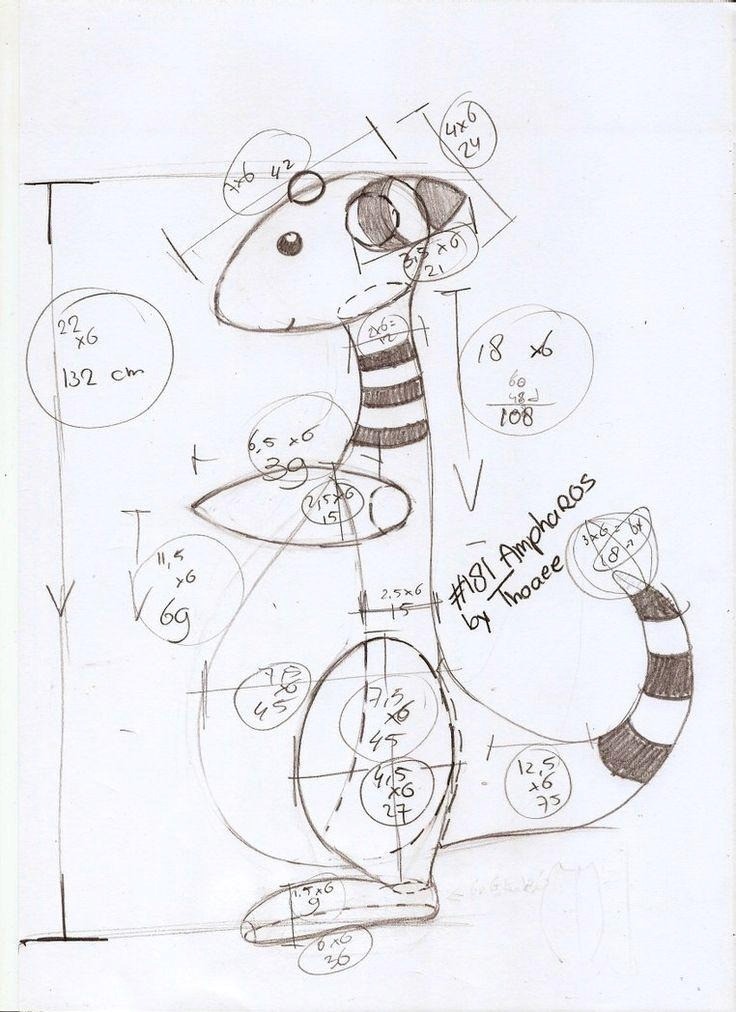
Example of a sketch design
The Project: A High-Stakes Sampling Test for the Japanese Market
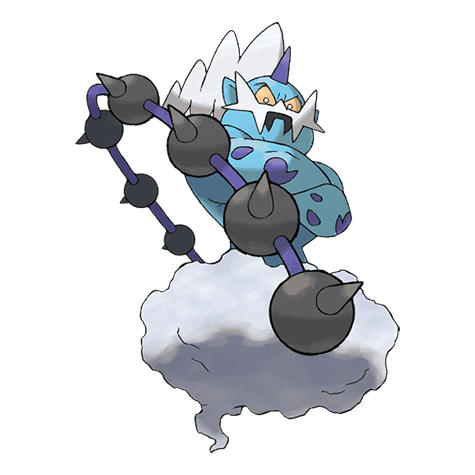
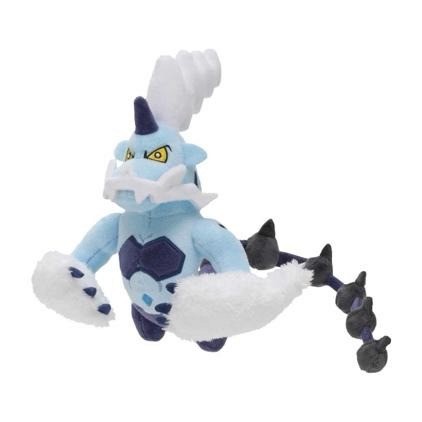
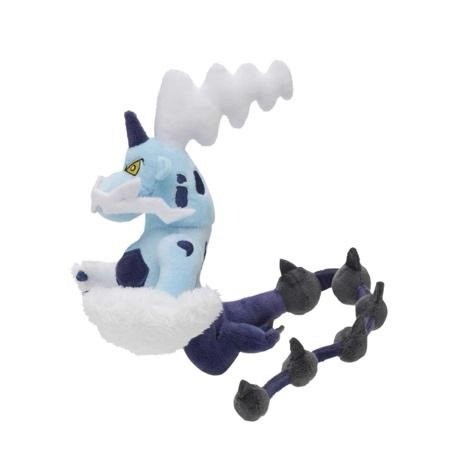
The project started with Thundurus, a blue, muscular humanoid Pokémon. The finished products were distributed through major channels in Japan, including official Pokémon Center stores, SEGA chain stores, and toy shops. To win the mass-production order (initial commitment: 5,000 pieces), our samples had to faithfully restore the Pokémon's design with the level of quality the Japanese market expects.
The timeline was tight — three months from sketch to delivery — which meant fast decision-making and close communication throughout. The stakes were raised further by strict IP guidelines and safety compliance requirements.
The Task: Bringing the Character to Life in Plush Form
Our goal was to capture the essence of Thundurus as accurately as possible. Key challenges included:
Complex design: The plush body required 80+ production steps, with the character's intricate details adding roughly 15% more crafting time versus a standard plush. Thundurus's slender, twisting tail was straightforward to prototype but difficult to mass-produce without defects. Color, proportion, and detail all had to be exact.
Scalability: Ensuring the approved sample could be reproduced identically at bulk volume.
Quality consistency for compliance: Holding a consistent standard and avoiding variation across production batches.
The Action: A Multi-Stage, Detail-Oriented Process
After receiving the 2D design files, our team worked through the project in four stages:
Fabric and color selection. The first challenge was translating Pantone-coded design colors into physical fabric colors that read correctly to the human eye. We chose soft velboa for its vibrant, high-quality feel and selected bright, lively shades to suit the Japanese market's preferences (by contrast, European buyers — Scandinavian customers in particular — tend to favor pastel tones).
Craftsmanship specification. At each production stage we weighed multiple technical options: printing (heat transfer, silk screen, or hot stamping), embroidery (appliqué, tatami stitching, or full embroidery), and sewing (splicing and pleating approaches for curved shapes, and where adhesives could replace stitching on small parts).
Sample iteration. We built a structural mock-up from in-house materials and iterated through 5-6 rounds to lock in the final form, shape, and details — testing printing effects, body orientation, posture, and torso-to-limb proportions along the way.
Mass production. To keep the complex design consistent across thousands of units, we built dozens of near-perfect training samples, split our makers into small teams each dedicated to a sub-part of the plush, and added an extra visual inspection step before packaging.
The Result: Success Proven by Repeat Orders
After the client approved the final sample, the project moved smoothly into mass production. We delivered an initial batch of 3,000 pieces, which launched to positive feedback on appearance fidelity and craftsmanship stability. Based on that market response, the client added 5,000 pieces to the initial order and later placed a new order for 8,000 pieces. Our production lead time held steady at 40-50 days (30-40 days is achievable for long-term partners). Throughout, we maintained strict controls on character detail, fabric pattern, and craft process to eliminate quality drift across production runs.
Drawing on 30+ years of manufacturing experience, we delivered tens of thousands of Pokémon plushies that resonated with end customers — and demonstrated our factory's capability in authorized IP production.
"The tail alone could have sunk this project — it looked simple on paper and fell apart in early prototypes from other vendors we'd tried. Kedonia's team caught that before we even flagged it, and the sample-to-mass-production consistency held all the way through our third reorder." — Haruto S., Licensing Manager
Ready to bring your IP to life with high-quality, compliant, high-volume plushies?
Contact us today to discuss your project.
