Blog
How People Are Prioritizing Emotional Value in Their Spending
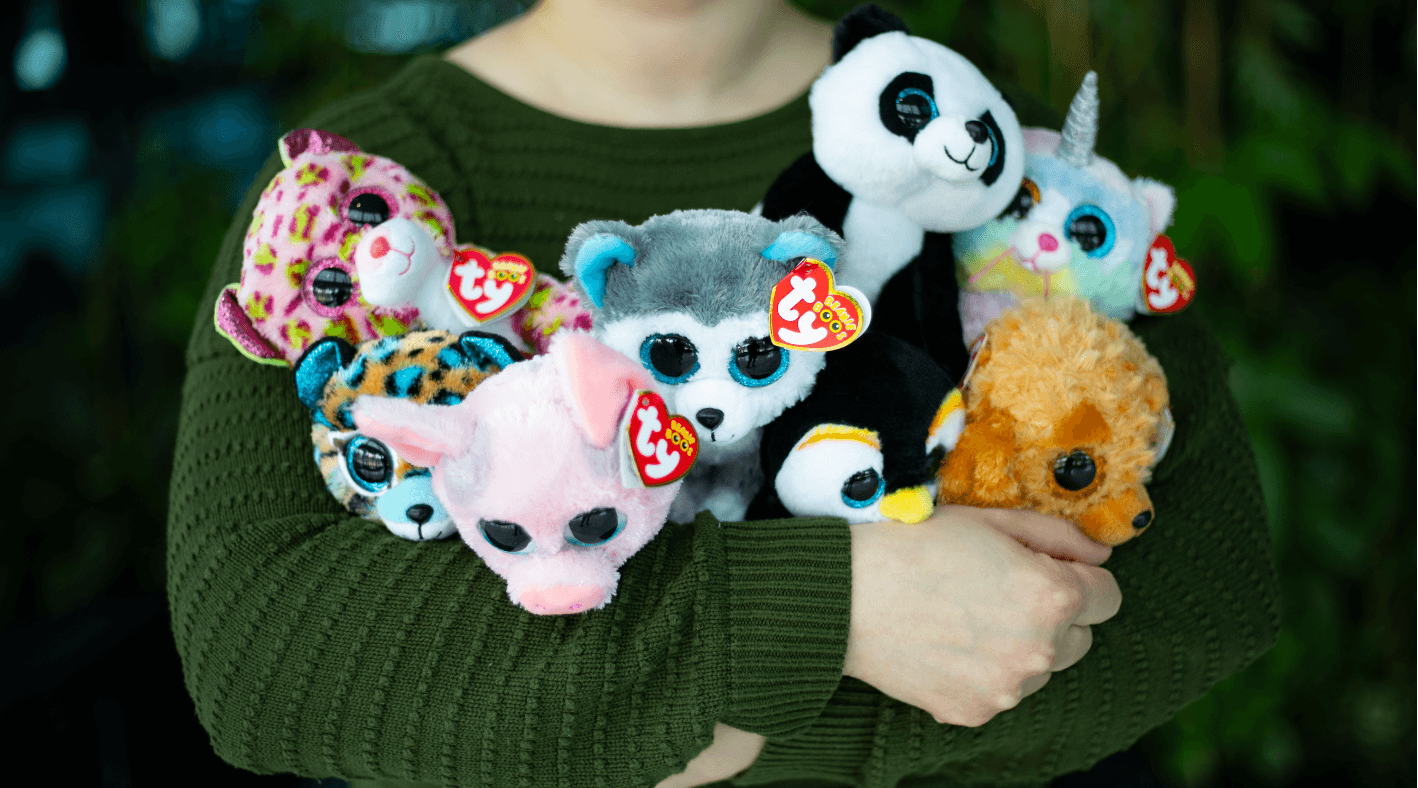
How People Are Prioritizing Emotional Value in Their Spending
Bag charms selling out in minutes. Grown adults carrying plush monsters on their designer bags. Blind boxes with queues around the block at 7am.
If you've been watching what people are actually spending money on lately and wondering what's going on, here's the short answer: people aren't buying products anymore. They're buying how those products make them feel.
It sounds simple. But the brands that have figured this out are cleaning up. The ones still selling on features and price are getting left behind.
This Is Bigger Than a Trend
Let's talk numbers for a second because these are not small.
In China alone, spending on products bought purely for emotional reasons, comfort, joy, nostalgia, that little dopamine hit, has crossed $8 trillion USD and is still growing at 13 to 15% a year. Over 60% of young consumers in China say they actively spend money on things that make them feel better, not just things they need. And this isn't just an Asia story. McKinsey has been tracking the same shift globally.
For the 18 to 34 age group, how something makes them feel now matters more than what it costs or how long it lasts. One in three purchases they make is about self-care, nostalgia, or just wanting something that brings them a bit of joy.
If your product doesn't make someone feel something, you're competing on price. That's a race nobody wants to be in.
Why Is This Happening Now
It's not complicated. People are stressed, tired, and spending most of their lives on screens. When everything is digital and fast and slightly overwhelming, a physical object that you can hold, that's soft, that makes you smile, that hits differently.
The rise of Treatonomics is real. Instead of saving up for one big purchase, people are making lots of small intentional ones. A $40 plush charm. A limited edition blind box. A Jellycat that looks like a croissant. These aren't impulse buys. They're deliberate emotional investments.
There's also a belonging piece that brands often miss. Owning a Labubu isn't just about having a cute thing on your bag. It's a signal. It says something about who you are and what you're into. That social identity layer is what makes certain products go viral without a single paid ad.
The Brands That Get It
Look at who's winning right now and the pattern is obvious.
Pop Mart built a billion dollar business on one insight: the unboxing moment feels like winning. Blind boxes, limited drops, character storytelling, community. The product delivers a feeling. Everything else follows from that.
Jellycat made it socially acceptable for adults to own stuffed food. A plush croissant with a face is objectively absurd and that's exactly why it works. It gives people permission to buy something purely because it makes them happy, without having to justify it to anyone.
Coach, Louis Vuitton, Dior, and Balenciaga are not brands that chase trends. They launched plush and novelty charm lines in 2025 and 2026 because their customers were asking for them. When luxury houses start making plush bag charms, you know the category has arrived.
The thing all of these brands have in common: the product's whole reason for existing is how it makes you feel.
What This Means If You're Building a Product
Plush sits right at the centre of everything driving this shift. Comfort, collectibility, nostalgia, something worth photographing and sharing. If you're a brand thinking about what to make next, that's worth paying attention to.
But here's the thing people don't say enough: the feeling only works if the product is good. A plush toy that feels cheap, looks off, or doesn't match what you imagined doesn't deliver the emotional hit. It delivers disappointment. And a disappointed customer doesn't come back.
This is the standard we hold ourselves to at Kedonia. We've made over a million plushies for brands across the world. Our AI design platform lets you see exactly what your product will look like before you commit to anything. And we go from confirmed sample to products ready to ship in 30 days.
See how the process works at kedonia.com/process-and-pricing
The Window Is Still Open
The emotional economy isn't slowing down. It's getting more specific. The era of generic collectibles is giving way to brands building products with a clear identity, a real story, and something worth owning long term.
The brands that move now, before their niche fills up with cheap alternatives, are the ones who'll own that emotional association with their customers. And once people feel something about your product, it's very hard for a competitor to take that away.
If you're thinking about adding a plush line, whether it's a merchandise drop, a brand collectible, a seasonal launch, or something tied to a character or IP, the best time to start is before you're sure it's going to work.
Try our AI design platform at kedonia.com/ai to see what your concept looks like before you commit to anything. Or get in touch at kedonia.com/process-and-pricing and let's talk through what makes sense for your brand.
Kedonia | Custom Plush Toy Manufacturer kedonia.com | hello@kedonia.com
