Blog
The Rise of Bag Charms: What the Trend Means for Brands and How to Capitalise on It
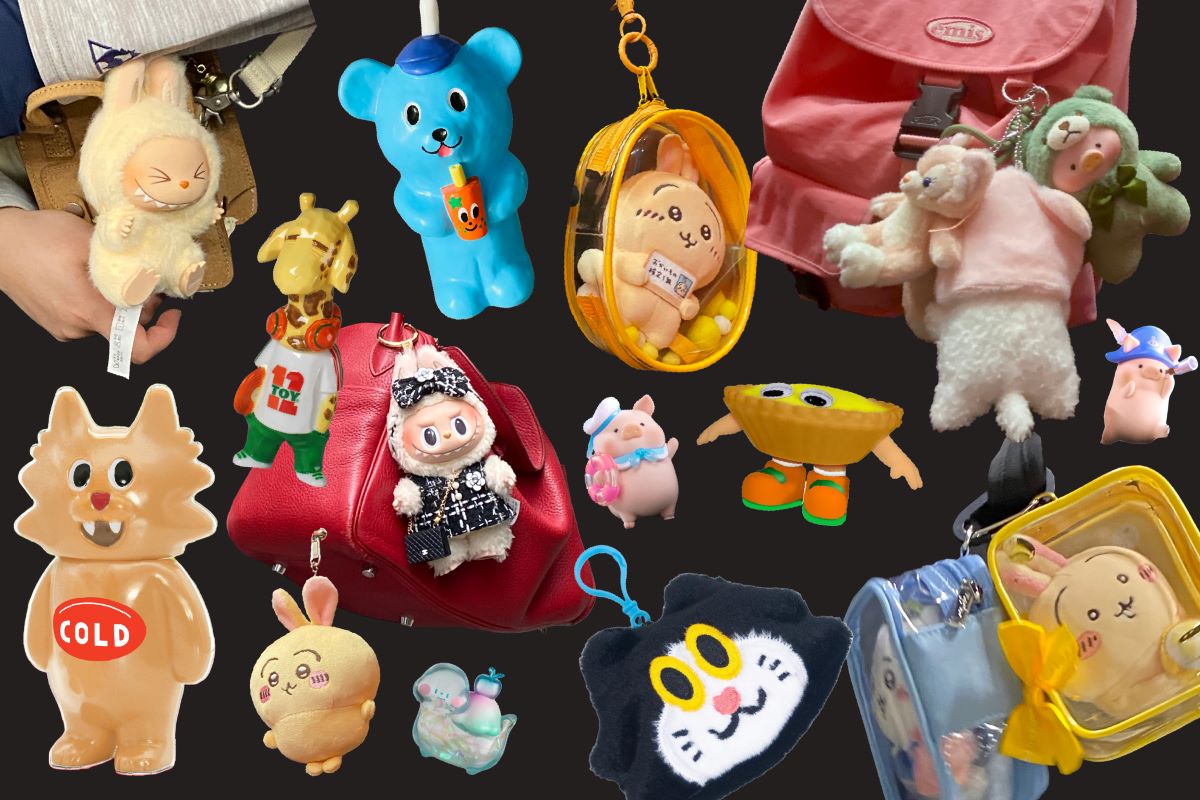
Bag charms have gone from childhood nostalgia to one of the most commercially significant accessories in fashion. By 2026, what started as a niche collectible trend has become a major revenue category for brands across luxury, streetwear, and lifestyle and the window for early movers is still wide open.
If you're a brand, creator, or merchandise buyer evaluating whether bag charms belong in your product line, this guide covers what's driving the trend, which brands are winning, and exactly how to bring a custom plush bag charm to market.
Why Bag Charms Exploded And Why It's Not Slowing Down
The numbers are hard to ignore. Google Trends data showed searches for "bag charms" climbing 168% through 2025. Pinterest interest surged 700% in the same period. On wholesale platforms, bag charm sales among comparable brands jumped 12x in early 2025.
The driver behind most of this growth was plush. Specifically, the viral rise of Labubu the mischievous plush monster from Pop Mart which went from niche collectible to global phenomenon almost overnight. Spotted on Louis Vuitton totes, school backpacks, and celebrity feeds from Blackpink's Lisa to Rihanna, Labubu proved one thing clearly: plush bag charms have mass commercial appeal that crosses demographics, price points, and markets.
Jellycat accelerated the trend further with its food-inspired plush charms the Amuseables Croissant, Coffee-to-Go, and Happy Boiled Egg which became instant sell-outs. Coach, Louis Vuitton, Dior, Balenciaga, and Gucci all launched charm lines of their own. What was once considered a novelty add-on is now a core product category.
The cultural forces sustaining it are structural, not seasonal. Post-pandemic "emotional dressing" has consumers gravitating toward products that spark joy. The kidult trend adults driving toy and collectible purchases now accounts for over 28% of global toy sales. And bag charms sit at the perfect intersection: affordable enough to be accessible, personal enough to feel meaningful, and visual enough to generate organic social content without a marketing budget.
What This Means for Brands
The mistake most brands make is treating bag charms as a novelty rather than a strategic product. The brands winning in this space understand three things:
Charms are an entry point to your brand ecosystem.
Not every customer can afford your flagship product. A $30-$150 plush charm gives them a way in and once they're in, they stay. Coach's charm strategy is a textbook example: affordable, branded, collectible, and consistently viral.Limited editions and drops drive urgency.
The blind-box mechanics that made Pop Mart billions work just as well at smaller scale. A limited run of 500 custom plush charms creates scarcity, drives social sharing, and sells out faster than a standard product launch.Plush outperforms every other charm material on social.
Metal, leather, and acrylic charms exist. But plush charms get photographed, unboxed, and shared. The tactile, emotive quality of a well-made plush charm is something no other material replicates and that organic content reach is free marketing
The Product Opportunity in 2026
The trend is evolving rather than fading. Ultra-maximalist clusters of Labubu-style charms may be peaking, but the direction into 2026 is toward more intentional, brand-specific designs:
Character-based plush charms tied to a brand mascot or IP
Limited edition seasonal drops (holiday, collaborations, cultural moments)
Hyper-personalised designs with certificates of authenticity or collectible numbering
Functional charms that double as keyrings, bag clips, or wearable accessories
Brands that move now before the market saturates with generic options will own the category in their niche.
How to Bring a Custom Plush Bag Charm to Market
This is where most brands get stuck. The design vision is clear. The demand is there. But finding a manufacturer that can produce a high-quality plush charm at a sensible MOQ, with reliable sampling and a turnaround that doesn't take six months, is harder than it should be.
Kedonia was built specifically for this problem.
Design without a brief. Kedonia's AI design platform lets you upload a sketch, a reference image, or even a rough doodle and generate a production-ready plush concept in minutes. No back-and-forth with a design team. No upfront design fees. You see what your charm looks like before committing to a single unit. Try the AI platform.
Sample before you scale. Every order starts with a physical sample. You approve the sample materials, proportions, finish, colour accuracy before mass production begins. No surprises at delivery. See our full process.
Production in 30 days. From confirmed sample to products ready to ship in as fast as 30 days. For brands working to seasonal timelines or limited-edition drops, this matters.
Low MOQ available. Kedonia's minimum order quantities are designed to work for brands at different scales from independent creators doing a first drop to established brands running a parallel charm line alongside existing products. Talk to us about your order.
What to Look for in a Plush Bag Charm Manufacturer
Not all plush manufacturers are equipped for the bag charm category specifically. When evaluating suppliers, look for:
Experience with small-scale plush formats - bag charms require precision at a small size that larger toy manufacturing doesn't always translate to
Material flexibility - the best charm manufacturers work across minky, sherpa, velvet, and embroidered finishes depending on the design
Attachment hardware - keyring loops, lobster clasps, and clip hardware need to be sourced and integrated correctly at production, not added as an afterthought
IP confidentiality - if your charm design is tied to original IP or a licensed character, your manufacturer needs a clear confidentiality agreement before sampling begins
Kedonia covers all of the above. See examples of our work.
Start Your Custom Bag Charm Project
The brands moving fastest in this category are the ones who start before the trend peaks in their market. If you've been considering adding a plush charm line for merchandise, a brand drop, a licensing collaboration, or a retail collection now is the time to start.
Try Kedonia's AI design platform to visualise your charm concept in minutes, or get in touch to discuss your project, MOQ, and timeline directly.
