Blog
Behind the Seams: A Step-by-Step Guide to the Plush Manufacturing Process
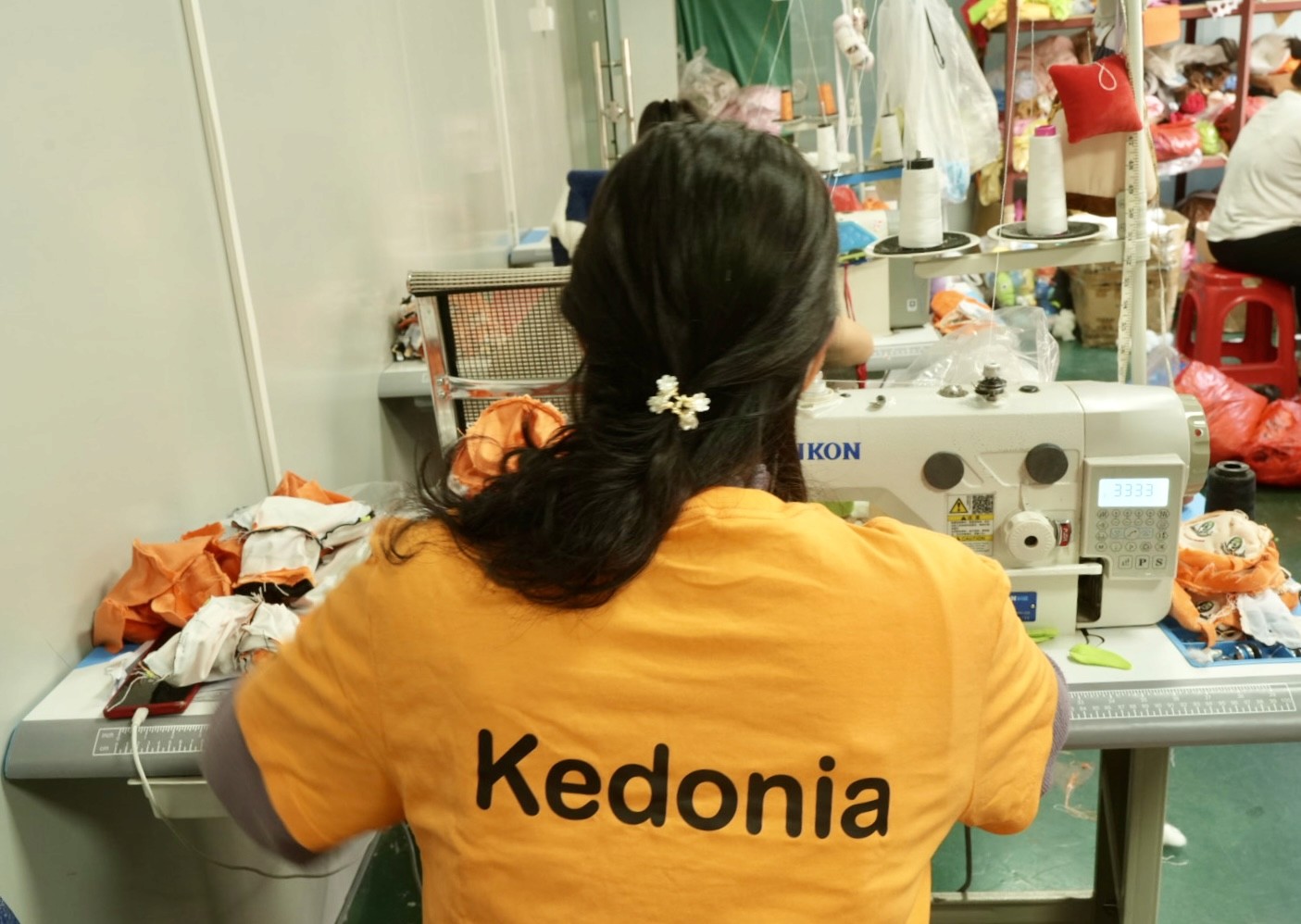
Turning your plush idea into a real, cuddly toy is exciting, but tech steps can throw curveballs. At Kedonia, we make it smooth and fast (30 days or less). Here's the breakdown, with the biggest challenges creators face at each stage—plus practical ways to minimize them.
1. Design Submission & Paper Pattern
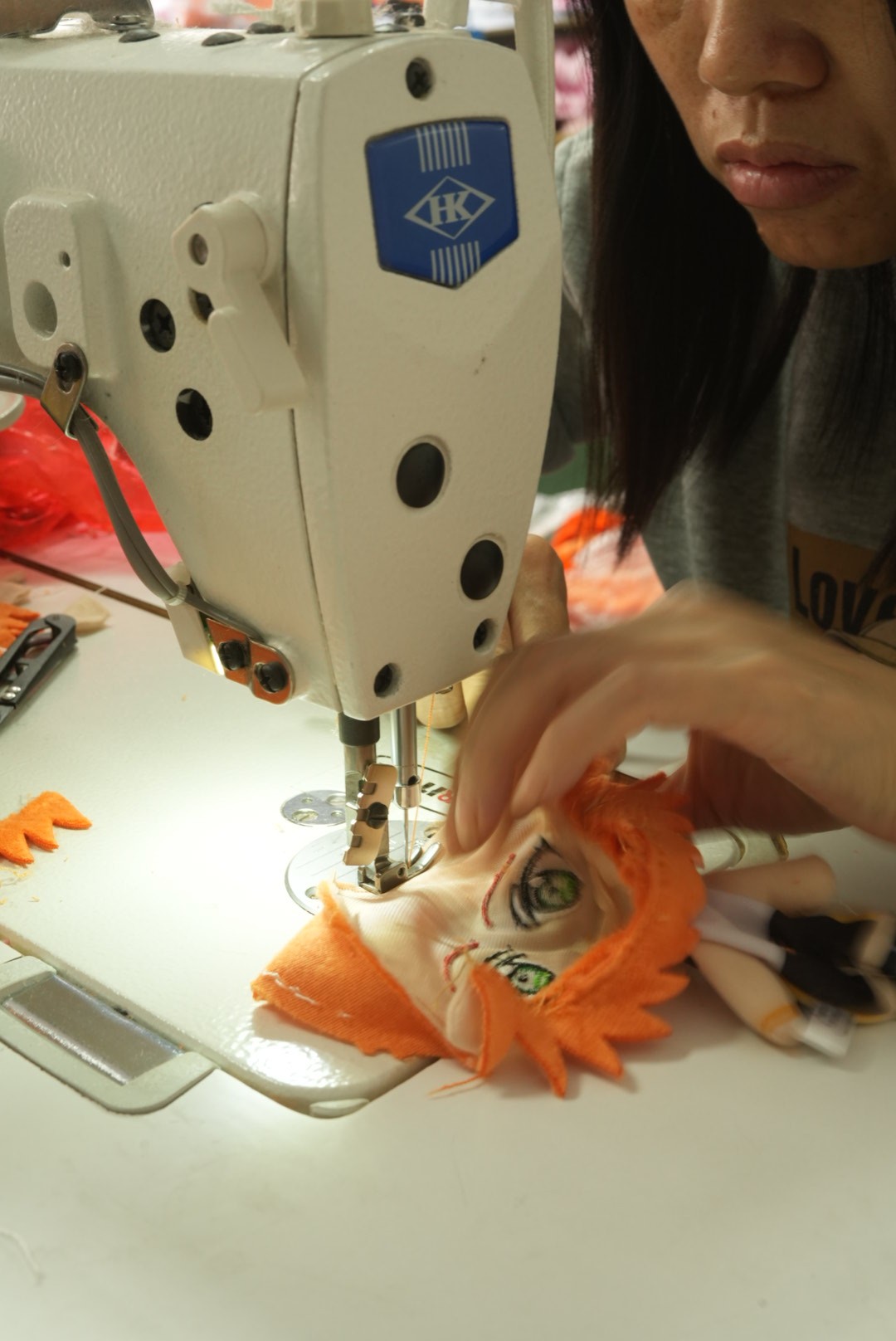
You send views, close-ups, and exact dimensions. We create a paper pattern (flat mockup) to lock in proportions.
Major Challenge: 2D-to-3D translation issues. Flat patterns often look perfect on screen/paper, but once stuffed, ears appear too big/small, limbs shorten, or the overall shape warps unexpectedly. New creators frequently overlook how seam allowances and stuffing volume change everything.
How to Minimize It: Provide 3D references (sketches, 3D models, or similar plush photos). Carefully review our scaled photos with rulers—we'll send multiple angles. Use free tools like Pepakura Designer to simulate your pattern at home. Flag any concerns early for quick adjustments.
2. Laser Cutting
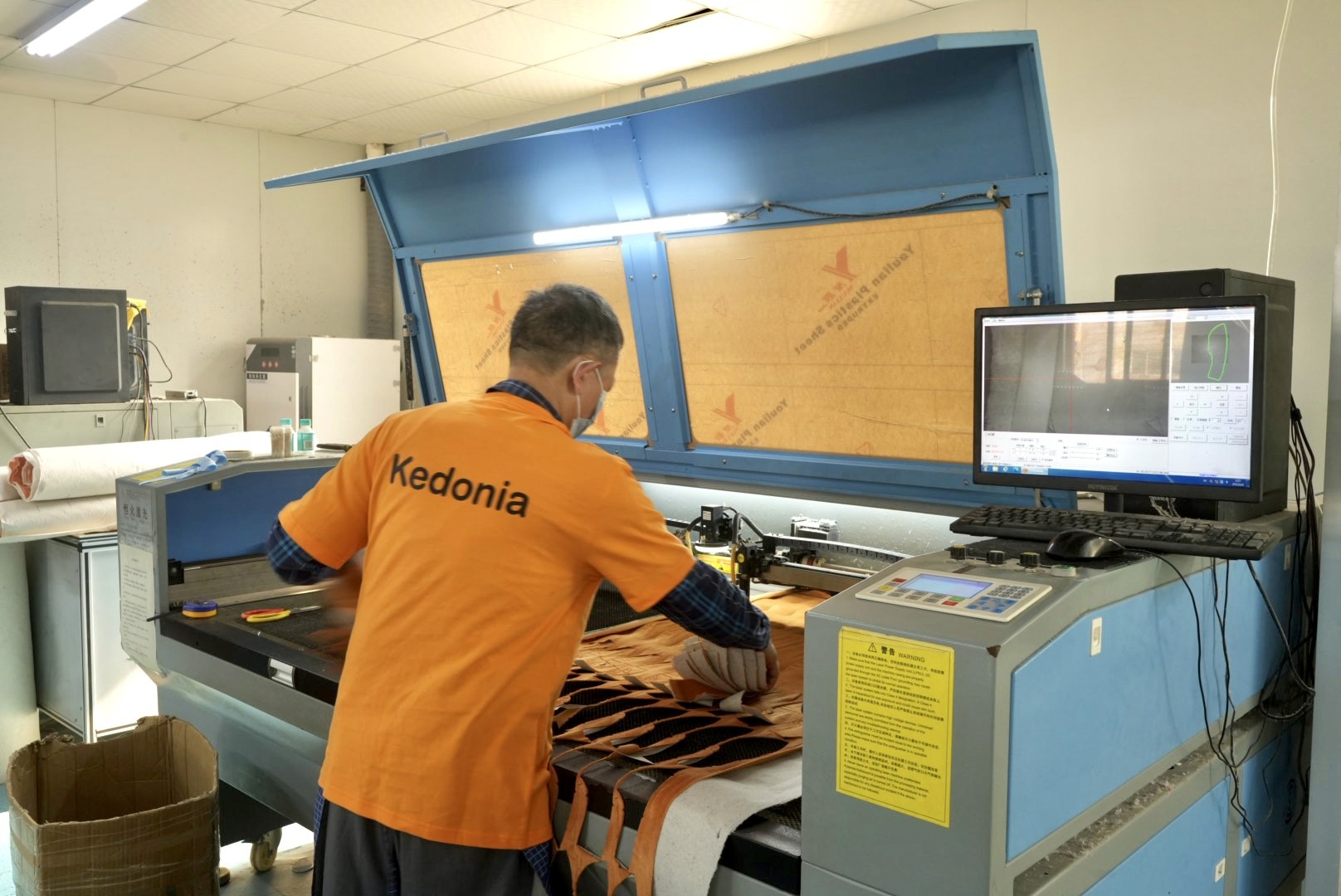
Laser machines cut fabric pieces precisely from the approved pattern.
Major Challenge: Fabric movement during cutting. Stretchy, slippery, or high-pile fabrics shift slightly, leading to misaligned pieces and crooked seams later. Creators who pick fancy materials without testing often hit this snag.
How to Minimize It: Choose stable fabrics (like minky or anti-pill fleece) from the start. Request test cuts on your chosen material. Specify fabric grain direction and let us recommend alternatives if needed.
3. Sewing & Stuffing Prototype
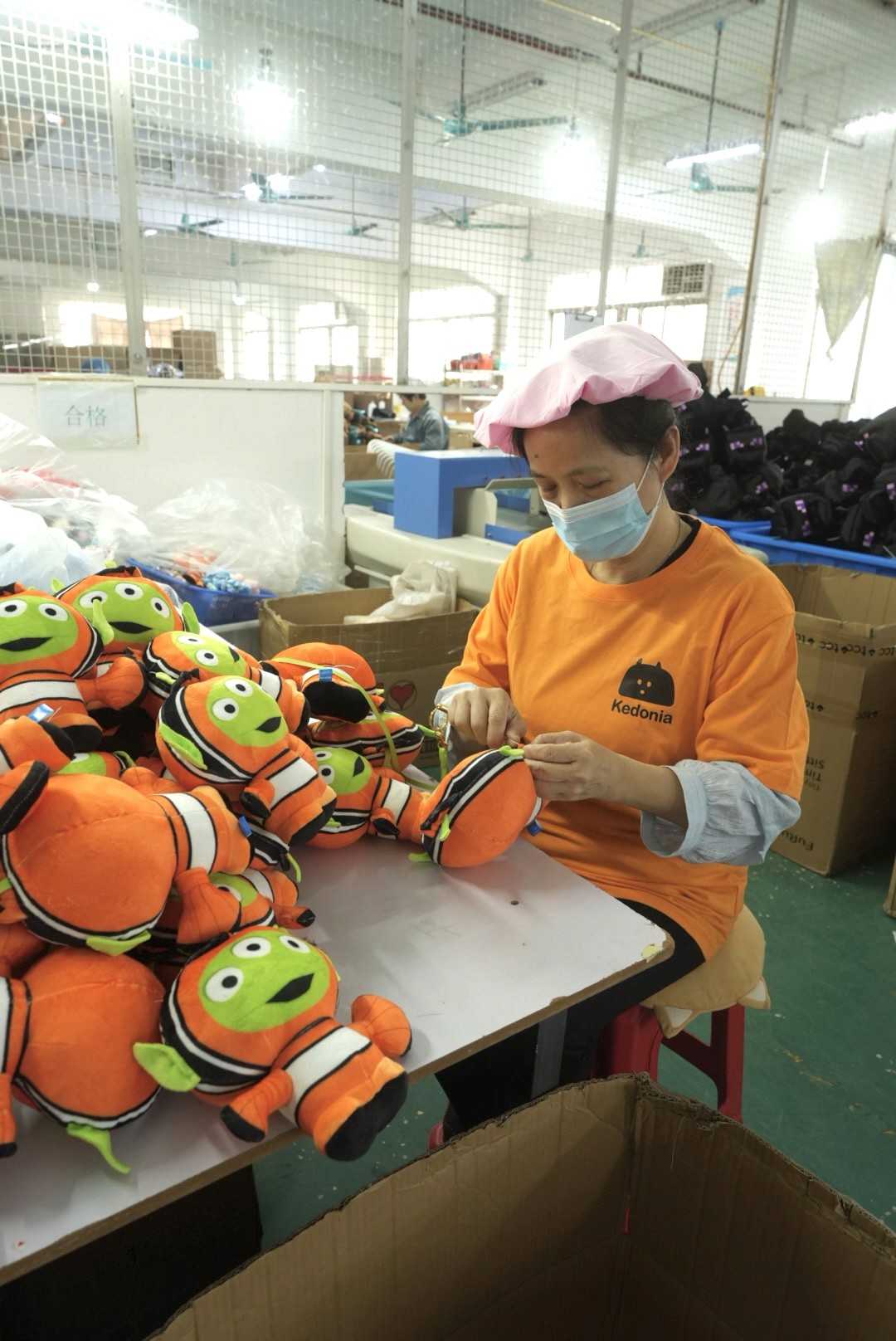
We sew, detail, and stuff the first physical plush.
Major Challenge: Getting the "perfect feel" right. Overstuffing bulges proportions; understuffing makes it limp. Tiny/thin elements are hard to sew cleanly and often fail QA or look awkward.
How to Minimize It: Share firmness references (photos of similar plushies). Keep small parts ≥1cm for safety/sewing ease. Be flexible with tweaks—we'll iterate quickly.
4. Full Production & Quality Control
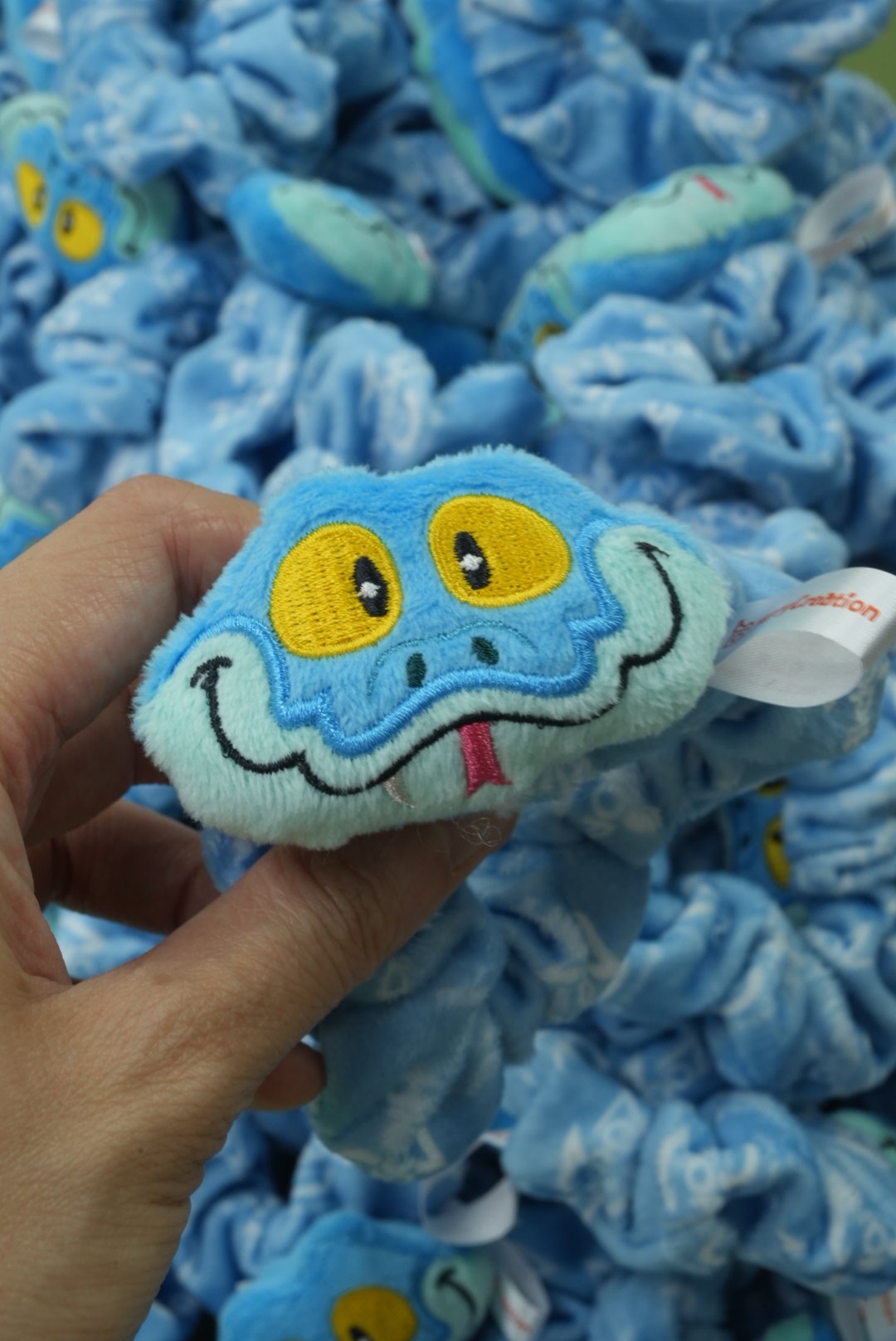
Scale up with mass cutting, sewing, stuffing, and multi-stage QC.
Major Challenge: Maintaining consistency in bulk. Natural handmade variations (±3–5% size/placement) can appear; color shifts or uneven stitching surprise many.
How to Minimize It: Accept tolerances in your brief. Start with small runs. Provide exact color swatches/codes early.
5. Packaging & Shipping
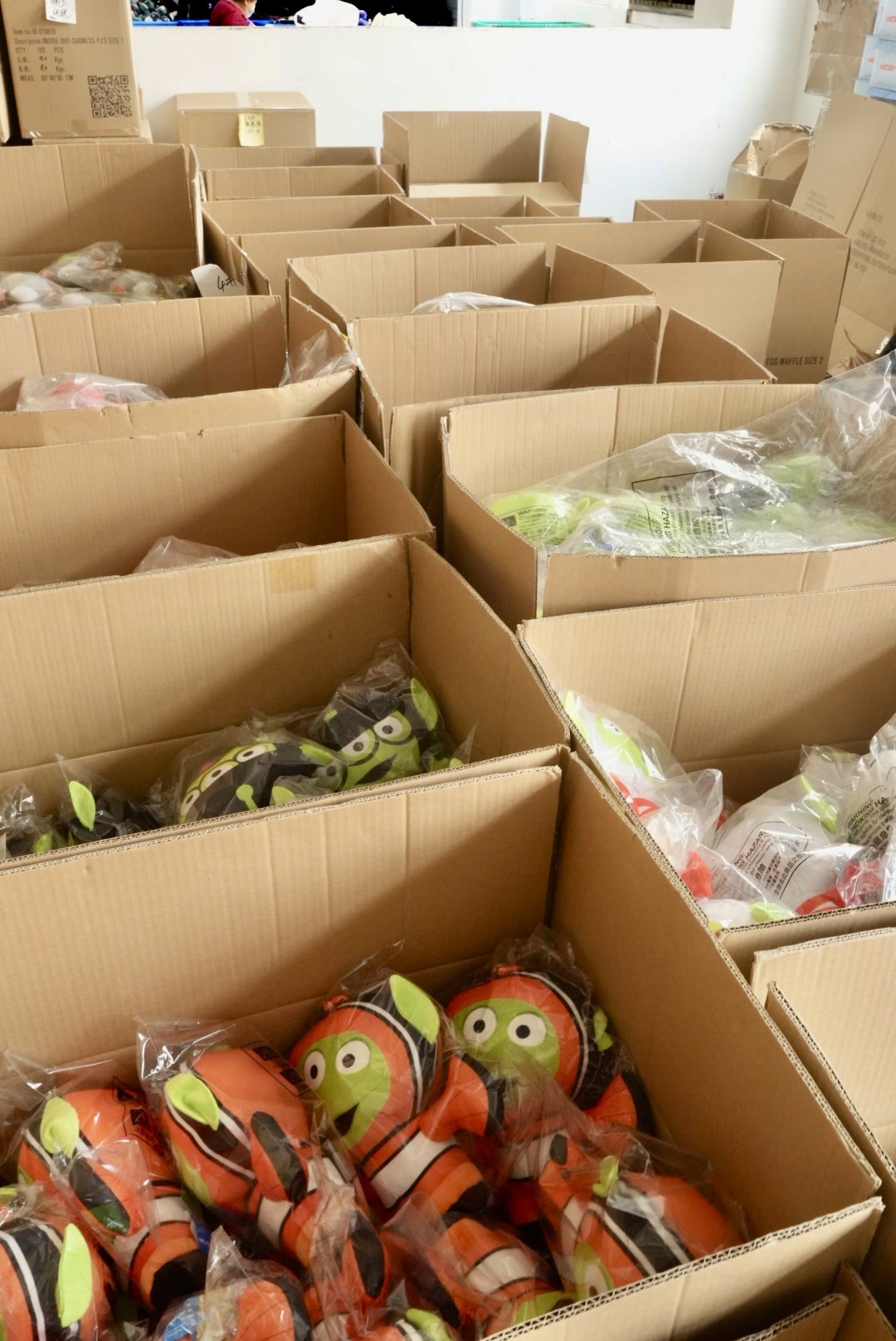
Final pack (bags, boxes, tags) and ship with tracking.
Major Challenge: Last-minute custom packaging delays/costs.
Solution & Minimization: Specify preferences Day 1. Use our templates for tags/boxes.
Your plush dream is ready—send your design today! 🧸✨
